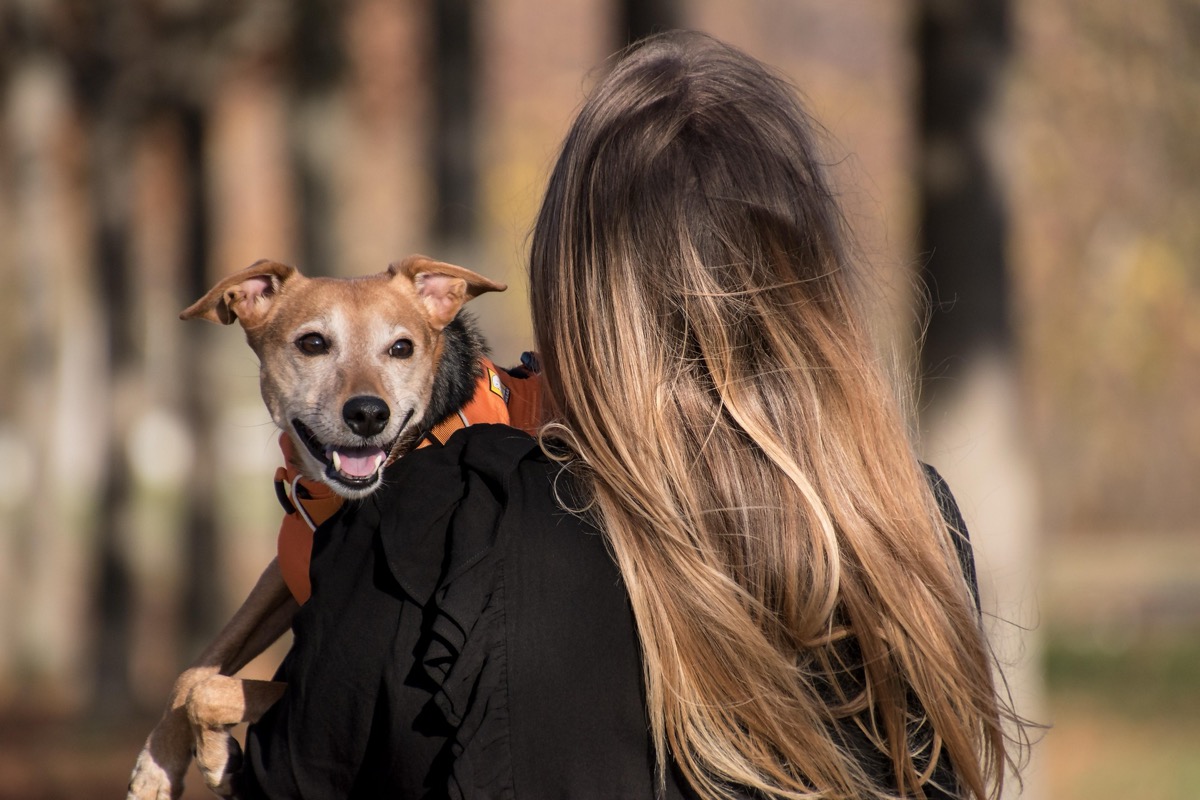
Berkeley is a city that loves to be first, and how we treat our dogs is no different. Whether you're dodging off-leash runners at Cesar Chavez Park or trying to navigate a stroller-heavy sidewalk on Fourth Street, Berkeley dog owners are usually more dialed-in than most. But that intensity creates a problem: there are way too many options. When you need to find a dog trainer in Berkeley, the search can get overwhelming fast. It isn't just about making your dog sit on command; it's about finding someone who actually gets the specific, high-strung energy of an East Bay pup.
The local philosophy on training
In a lot of the country, people still talk about "alpha" roles and "showing them who's boss." In Berkeley, we've mostly moved past that. The standard here is science-based, positive reinforcement. You'll see terms like "force-free," "R+," or "fear-free" everywhere. These aren't just marketing labels; they're a baseline for animal welfare that fits the city's vibe. A solid Berkeley dog trainer knows that a dog living near the UC Berkeley campus needs different skills than one living on a dead-end street in the hills. They focus on "urban neutrality," basically making sure your dog doesn't have a meltdown when a bus screeches by a sidewalk cafe.
Before you hire anyone, be honest about what you need. Is this a new puppy in North Berkeley that just needs the basics? Or are you dealing with leash reactivity in the Elmwood district? There's a big gap between teaching "stay" and doing real behavior modification. Many of the best people in town specialize in one or the other. Local spots like the Berkeley Humane Society have tiered programs that cover everything from the fundamentals to advanced city living.
Credentials and the "fluff" factor
Anyone can buy a domain and call themselves a trainer. It's an unregulated industry, which is terrifying. Since Berkeley residents usually appreciate data and expertise, check for certifications. I look for trainers certified by the CCPDT (Certification Council for Professional Dog Trainers) or the IAABC (International Association of Animal Behavior Consultants). Grads from the Victoria Stilwell or Karen Pryor academies also tend to know their stuff. These groups follow "LIMA" (Least Intrusive, Minimally Aversive) protocols, which is a fancy way of saying they don't use pain to teach.
But the alphabet soup after a name is only half the story. A trainer needs to be able to talk to you. The best ones are more like coaches for the owners. If a trainer can't explain why they're doing something, or if they get annoyed when you ask, they probably aren't a good fit for the typical Berkeley mind. You want someone who can read your dog's body language, like a subtle lip lick or a tensed brow, and then teach you how to see it too. That way, you're the one advocating for your dog when you're at Ohlone Dog Park or waiting for your latte.
I also look for people who are actually part of the community. Do they volunteer at Berkeley Animal Care Services? Do they know which parks are currently dealing with kennel cough? That local knowledge matters more than a flashy Instagram feed.
Red flags: Skip the "guarantees"
I'm wary of anyone promising a "guaranteed fix" in three days. Behavior is messy. It's a mix of genetics and history, and it takes time to change. You'll find "board and train" spots in the East Bay that promise a brand-new dog in two weeks. Sometimes these are great, but others just use heavy-handed corrections to scare the dog into behaving. If a trainer reaches for a shock collar (often called an "e-collar" or "remote trainer") or a prong collar as their first solution, walk away. It's outdated and usually unnecessary.
Another warning sign: if they won't let you watch them work. Phrases like "breaking the dog's will" should be a dealbreaker. We treat dogs like family here. A trainer who uses intimidation is going to wreck your dog's confidence and your relationship with them. If a session feels wrong or your dog is trembling and cowering, stop. Trust your gut and find someone else.
Don't mistake "positive" for "permissive," though. The best trainers aren't just handing out treats for no reason. They're experts at managing the environment so your dog doesn't fail in the first place. You want someone who gives you homework, clear notes, and a real plan. If they're just winging it, your progress will stall.
Berkeley-specific resources
One of the best parts of living here is the local infrastructure. The Berkeley Humane Society on 9th Street is the gold standard for neighborhood classes. It's also a great place to meet other owners who are also trying to get their dogs to ignore squirrels at the Rose Garden. For gear and advice, boutique shops like George on Fourth Street are great hubs for finding out which trainers are actually getting results lately. If your dog has serious issues, like severe separation anxiety, your trainer should be honest enough to refer you to a veterinary behaviorist rather than trying to power through it alone.
At the end of the day, you can get some of the best leads just by talking to people at Tilden or the Marina. Choose dog trainer Berkeley based on who matches your values and understands the science. You aren't just paying for commands; you're making sure your dog can actually enjoy life in this city with you.