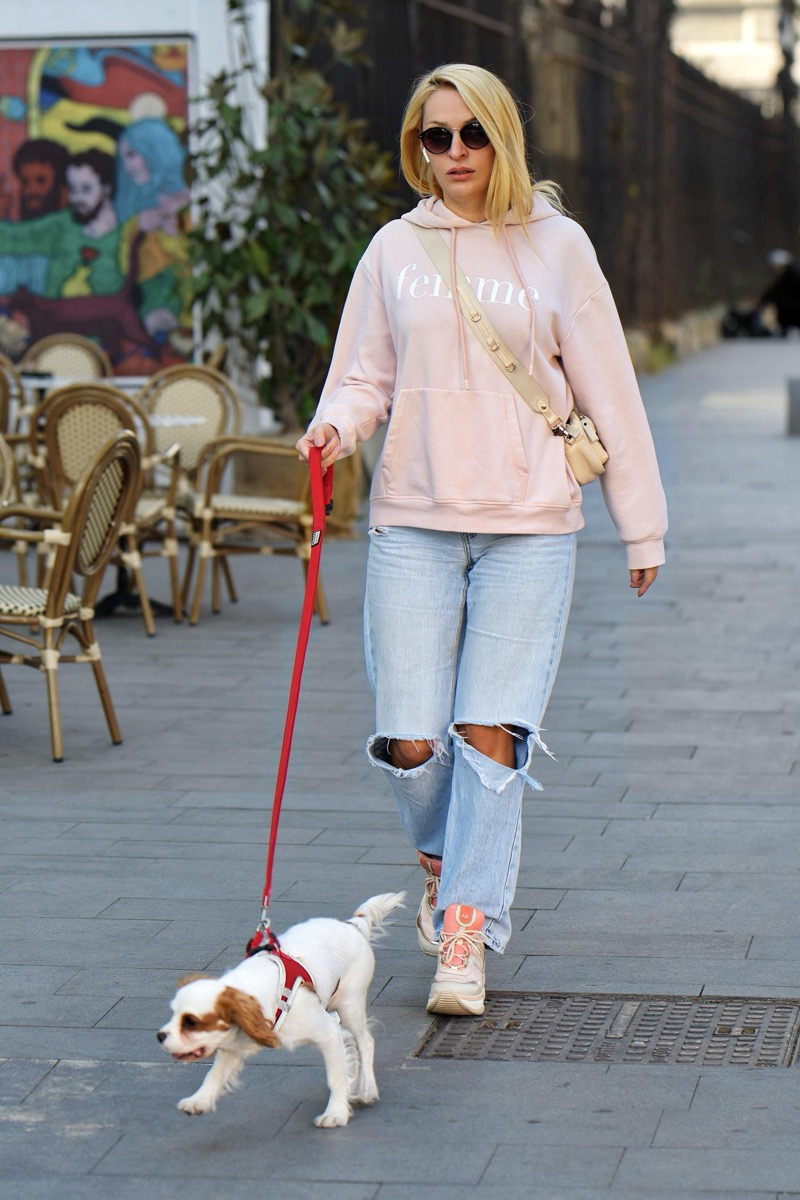
Living in Berkeley with a dog is a lifestyle choice, but it comes with a learning curve that suburban obedience schools don't prepare you for. We live in a city where the "People's Republic" vibe affects everyone, including our pets. People here have high expectations for behavior but a very relaxed attitude toward how we get there. If you want to raise a stable dog here, you have to realize that dog training in Berkeley isn't just about following orders. It is about building a dog that can handle the intellectual chaos of the UC campus one minute and the eucalyptus-scented madness of the hills the next. Whether you're navigating a nervous rescue through the sidewalk traffic on Telegraph or trying to keep your cool at Point Isabel, your approach needs to be as flexible as the city itself.
The Berkeley Mindset: Ditch the 'Alpha' Nonsense
Berkeley is a hub for progressive ideas, and that definitely includes how we talk to our dogs. You won't find much support for "dominance" or "alpha dog" theories here; that's old-school thinking that doesn't fly in a town built on empathy. Most locals treat their dogs like partners rather than subordinates. When you're working on Berkeley dog training in public spots like Cedar Rose Park, you're usually surrounded by people who get it. It's normal to see someone stopped on a sidewalk, waiting for their dog to calm down before moving past a group of cyclists. There's an unwritten social contract here: we all know every dog is a work in progress, and we respect the space needed to learn.
The real test is environmental acclimation. A dog that is an angel in a quiet backyard will often melt down the first time they hear the Campanile bells or see a skateboarder fly across Sproul Plaza. If you want a "Berkeley dog," they need to be bored by the chaos. I recommend starting puppy training in Berkeley during the quiet morning hours near North Shattuck or the quieter corners of campus. The goal is a "look at that" reflex, where your dog sees a street performer or a protest and immediately looks at you for a treat instead of barking. It's about building focus in a world that's constantly trying to steal it.
Telegraph Avenue is the final exam. Between the food smells, the dense crowds, and the general sensory overload, you need a high level of impulse control. Loose-leash walking isn't just a "nice to have" here; it's a safety requirement. You don't want your dog lunging for a dropped slice of pizza or startling a student on their way to class. A well-trained Berkeley dog is one that can navigate a Saturday afternoon near the university without losing their composure.
Waterfronts and Hill Trails: Where Recalls Go to Die
Berkeley has great outdoor spaces, but they all demand different skills. Cesar Chavez Park at the Marina is beautiful, but those ground squirrels are a nightmare for focus. Before you unclip the leash, your dog needs a rock-solid recall. If they won't turn away from a chase the second you call them, keep the long line on. The wind at the Marina also eats sound, so I always suggest teaching hand signals alongside verbal cues. A dog that watches for a raised hand is a lot safer when the breeze is blowing your voice toward San Francisco.
Then there's Point Isabel. It's the spiritual home for East Bay dogs, but the sheer volume of animals can be a lot. Training for Point Isabel is really about "social etiquette." You need to know when your dog is getting over-aroused and be able to pull them out of a group for a "reset." Socialization isn't just about meeting dogs; it's about being able to ignore fifty other dogs and still listen to your human. It's the ultimate distraction test.
Tilden Park is a different beast. Here, the challenge is wildlife and trail manners. You need a "leave it" command that actually works, not just for treats, but for deer, turkeys, and poison oak. The trails can get muddy and steep, especially after a North Bay rain, so a dog that pulls is a legitimate safety risk. Dog training in Berkeley hills is as much about hiker etiquette as it is about obedience.
The Urban Sophisticate: Coffee and Shopping
Berkeley is famously dog-friendly, especially around Fourth Street. This is where your rugged hiker needs to turn into a polite urbanite. Many shops let dogs in, and the outdoor seating at Peet's or any of the cafes is usually packed. In this setting, the "settle" command is your best friend. Your dog should be able to tuck under a table and relax while you eat. This doesn't happen by accident; it takes "mat training" at home before you try it in a busy plaza.
The stakes are higher here. A barking dog or one that lunges at shoppers makes it harder for the rest of us to keep Berkeley dog-friendly. Spend time practicing "polite greetings." People will want to pet your dog; teach your dog that sitting is the only way to get that attention. If they jump, the interaction ends. It's simple, but it's what keeps the peace in a dog-centric community.
Every walk in neighborhoods like Elmwood or West Berkeley is a stealth training session. A cat under a car or a neighbor's leaf blower is just another opportunity to reinforce the basics. Consistency is everything. Whether you're in the "Gourmet Ghetto" or walking down San Pablo, the rules have to stay the same. Training isn't a class you go to once a week; it's how you live with your dog every day.
Long-Term Success
Success with Berkeley dog training comes down to staying curious. The city is full of great trainers and resources, and there's no shame in calling in a pro if you're struggling with the nuances of city living. The goal isn't to have a robot; it's to have a dog that is confident and responsive. A happy Berkeley dog is one that gets to go everywhere because they know how to handle themselves. Keep at it, use plenty of high-value treats, and remember that building a bond is more important than a perfect 'heel.' You're raising a member of the community, one walk at a time.